
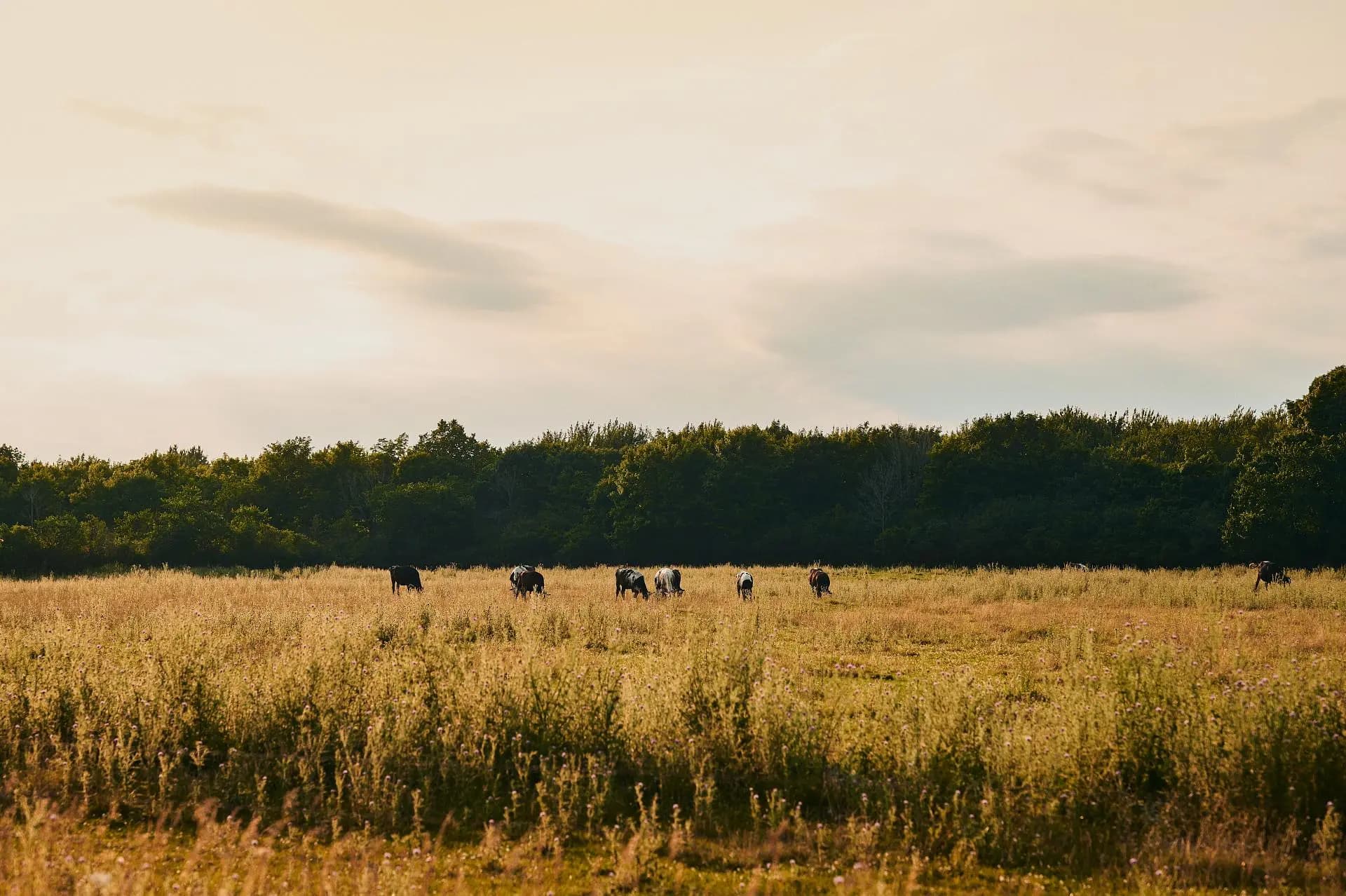
Indigenous Presence in Prince Edward County
Prince Edward County’s story began thousands of years ago. After the glaciers retreated, this peninsula became home to generations of Indigenous Peoples who lived in balance with the land and waters, hunting, fishing, growing food, and building vibrant communities along its creeks and shores. Today, archaeological sites from ancient village remnants and ceremonial mounds to the tools and pottery left behind remind us that these lands have always been a place of gathering, caring, and innovation.
Whose Land? People and Languages
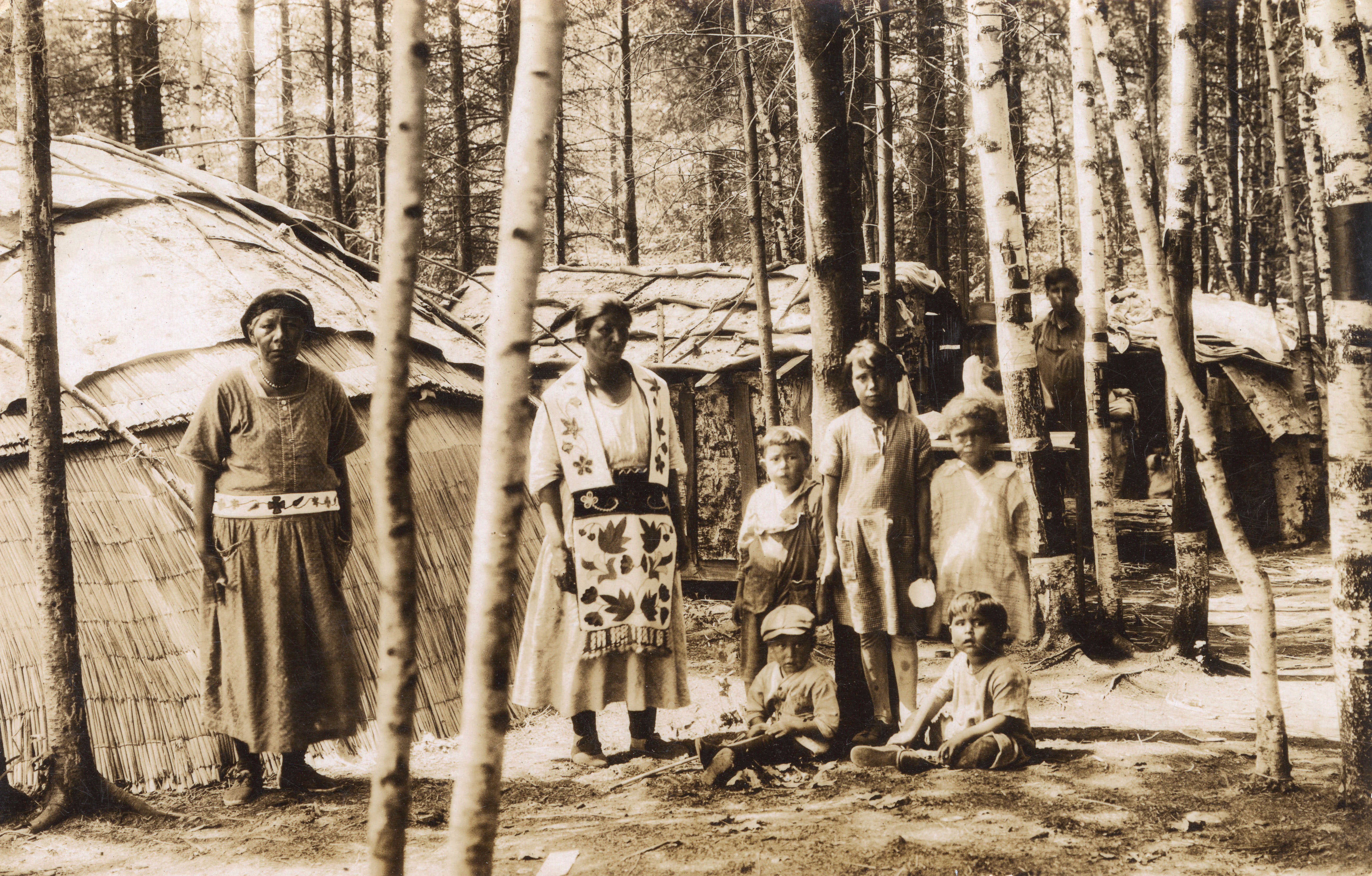
This image depicts aspects of Anishinaabe culture, including its peoples and their settlements, which would have been similar to historic communities in the area now known as Prince Edward County.
The County sits at the meeting place of the Michi Saagiig Nishnaabeg (Mississauga Anishinaabeg), the Haudenosaunee (Six Nations), and the Huron-Wendat. These nations, and their ancestors, the St. Lawrence Iroquoians, shared and cared for the region, trading knowledge, hosting councils, and shaping the land’s character for millennia.
A Living Heritage
Heritage sites and archaeological studies have found traces of up to 500 Indigenous villages within
the County, unique in that so many remain undisturbed and protected by volunteers and local
landowners. The story also lives on through today’s Indigenous people, whose presence enriches
County life—creating art, sharing knowledge, guiding stewardship, and contributing to the
community’s prosperity.
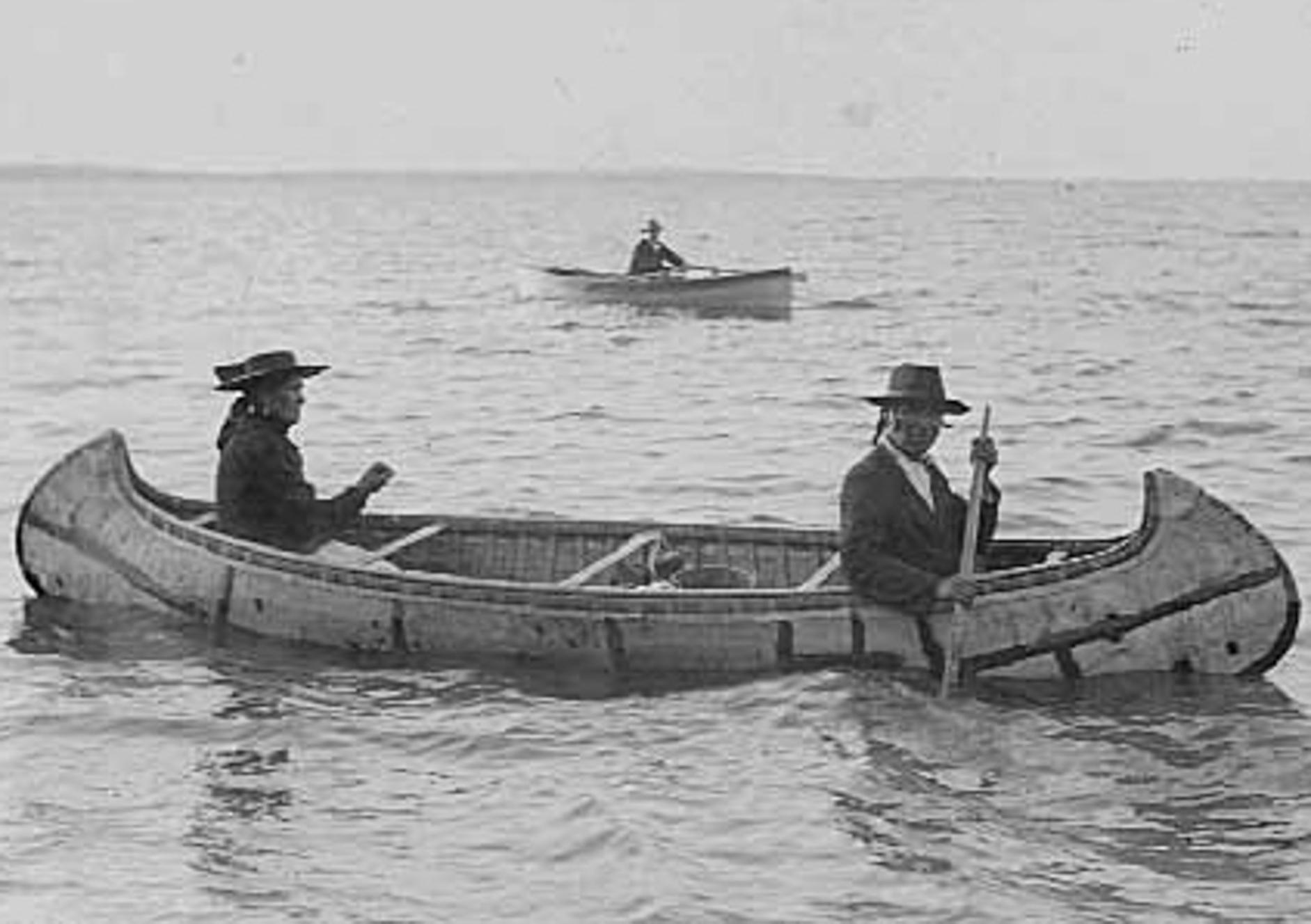
This image depicts two Anishinaabe people travelling by canoe, reflecting the culture and lifeways of Indigenous communities whose ancestors lived along the waterways in what is now Prince Edward County. However, this particular scene is not from that region.
Relationships and Shared Responsibilities
Every resident and guest are invited to learn and act in the spirit of shared care. Acknowledging Indigenous histories and voices deepens our sense of place and supports a healthy, welcoming future for all. Living with respect for land, water, and one another honours the Dish with One Spoon Wampum Belt and helps sustain Prince Edward County for generations yet to come.
The Living Law: The Dish with One Spoon
Prince Edward County lies within the treaty territory known as the Dish with One Spoon. This Indigenous law, symbolized by a wampum belt, calls everyone living, working, or visiting here to share the region’s gifts responsibly: taking only what is needed, ensuring the “dish” remains full for all, and always safeguarding the land and waters for future generations. These teachings guide us today toward stewardship, restraint, and mutual respect.
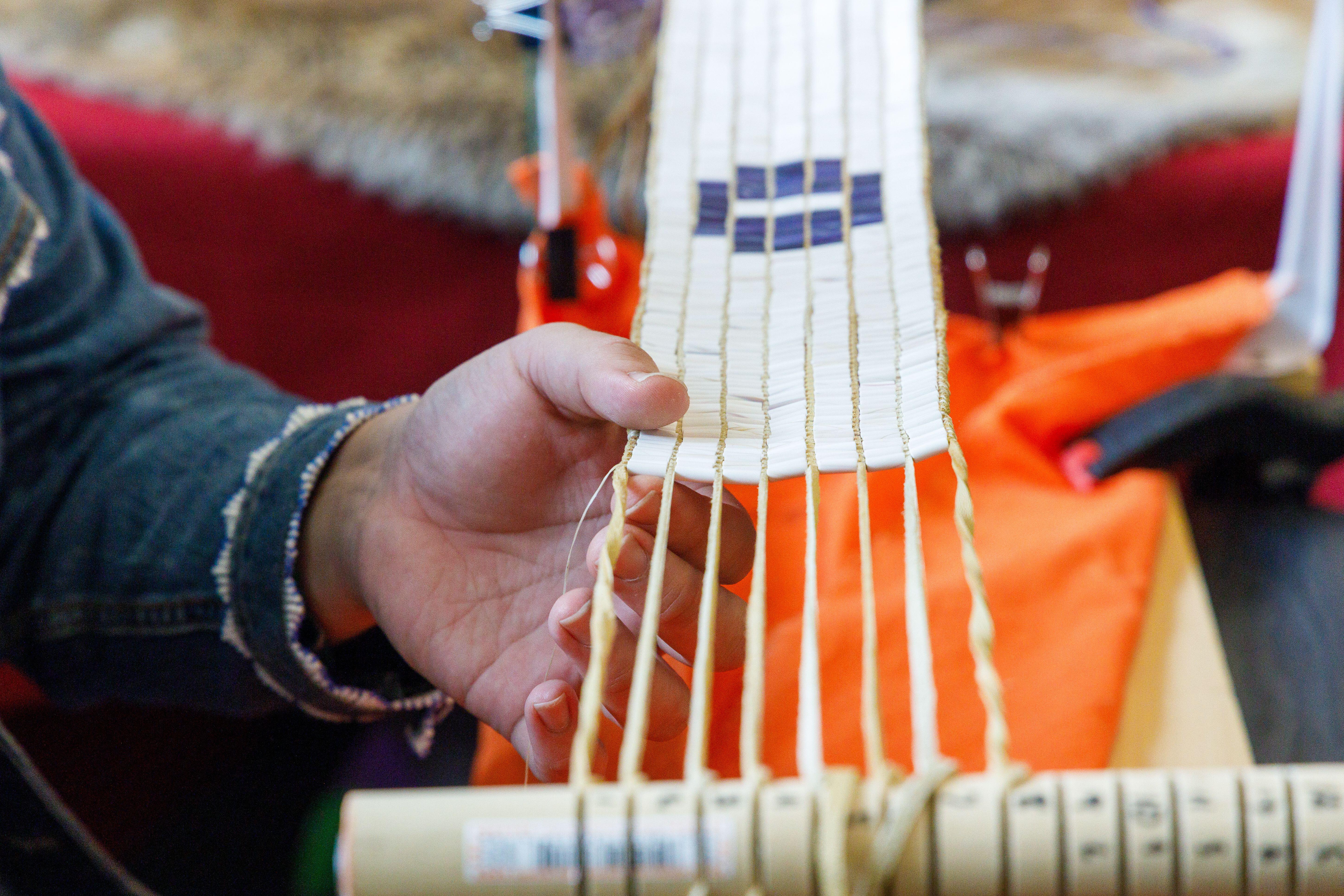
An artist at work, weaving a wampum belt at Ganondagan State Historic Site in Victor, New York.